
Grants and Projects at BMSIS
Science is not finished until it’s communicated
— Sir Mark Walport
We are honored to be funded by a variety of organizations that support our mission in space science, sustainability, and global cooperation. Here you’ll find a list of current and past grant-funded efforts led by our researchers at BMSIS.
Current Funded Projects Led by Our Researchers
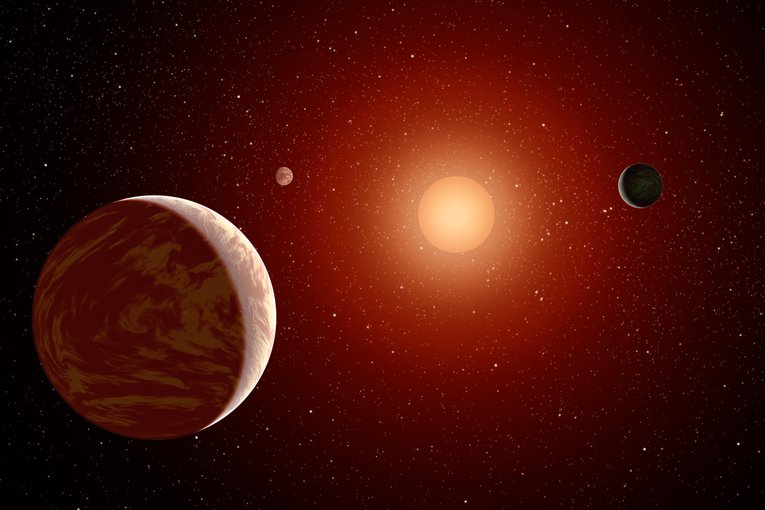
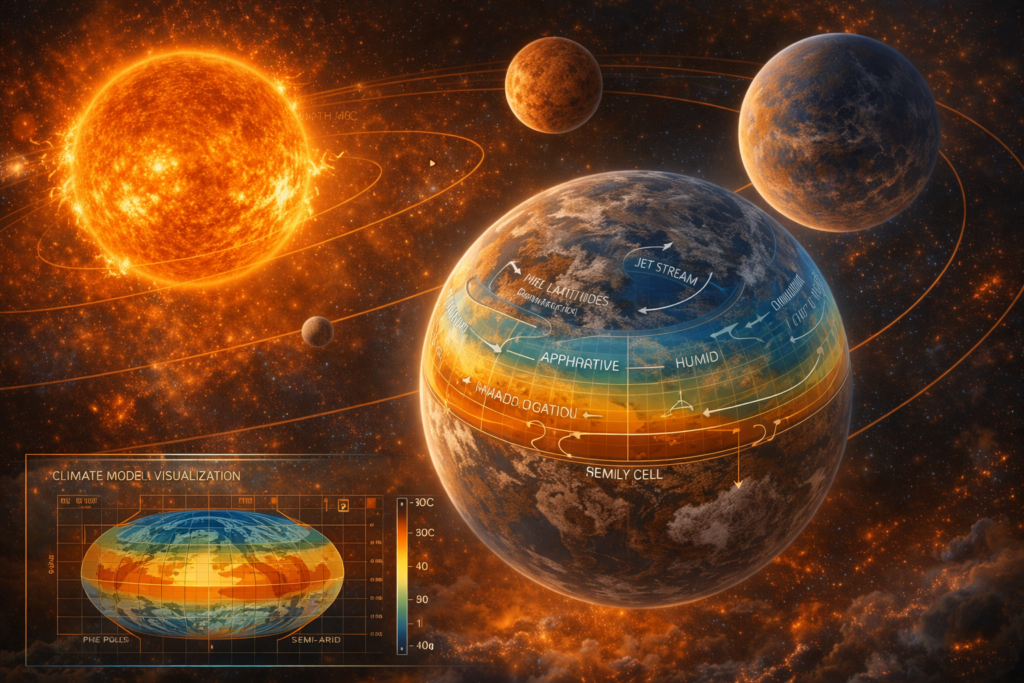
Constraining the Habitability of M-dwarf Planets Using Computationally Efficient Climate Models
Principal Investigator: Jacob Haqq-Misra
Funding Agency/Program: NASA Habitable Worlds
Project Summary:
Planets orbiting low-mass stars are the best opportunity to search for habitable planets with the James Webb Space Telescope and the next generation of ground- and space-based telescopes. Planets that orbit these red dwarf stars are prone to “tidal locking,” so that one side of the planet experiences perpetual day and the other side experiences perpetual night. This is even more likely for planets that are potentially habitable, such as those that might have liquid water oceans. This project uses a computationally fast climate model to explore a wide range of possible climates for such planets, with the goal of being able to place constraints on the habitability of currently known and to-be-discovered planets orbiting red dwarf stars.
The Life Span of the Biosphere Extended
Principal Investigator: Jacob Haqq-Misra
Funding Agency/Program: NASA Exobiology
Project Summary:
The ultimate longevity of Earth’s biosphere is limited. Eventually, over geologic time scales, rock weathering and the steadily brightening sun will draw down carbon dioxide until the point at which plants can no longer conduct photosynthesis, which will mark the end of the biosphere as we know it. Numerous theoretical studies have placed limits on the end of the biosphere as ranging from 0.9 to 1.5 billion years from now. This project will use improved climate models and insights from photosynthesis on Earth to demonstrate that Earth could maintain a thriving biosphere at even lower carbon dioxide levels than previously thought, which would allow Earth to remain habitable even longer.
This project has now concluded!

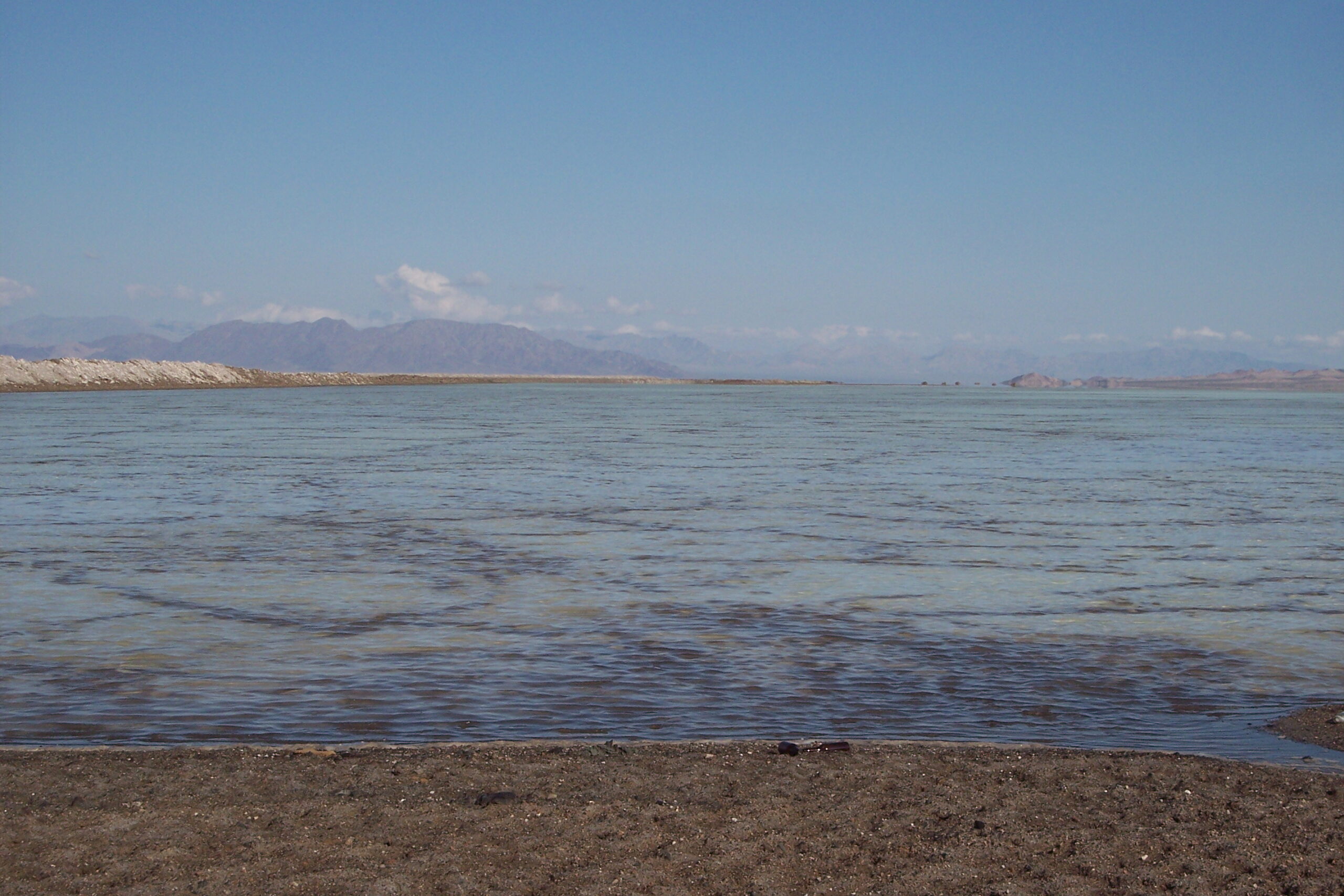
Testing Arid Transformation Of Organics Via In-Situ Extraction (TATOOINE)
Principal Investigators: Scott Perl and Anna Simpson
Funding Agency/Program: NASA Research
Project Summary:
We are determining the organic composition of Martian analog sites in the Bristol Dry Lakes. Techniques include Raman spectroscopy, microbial analyses including species identification, planetary analog operations for future instrumentation for astrobiology missions
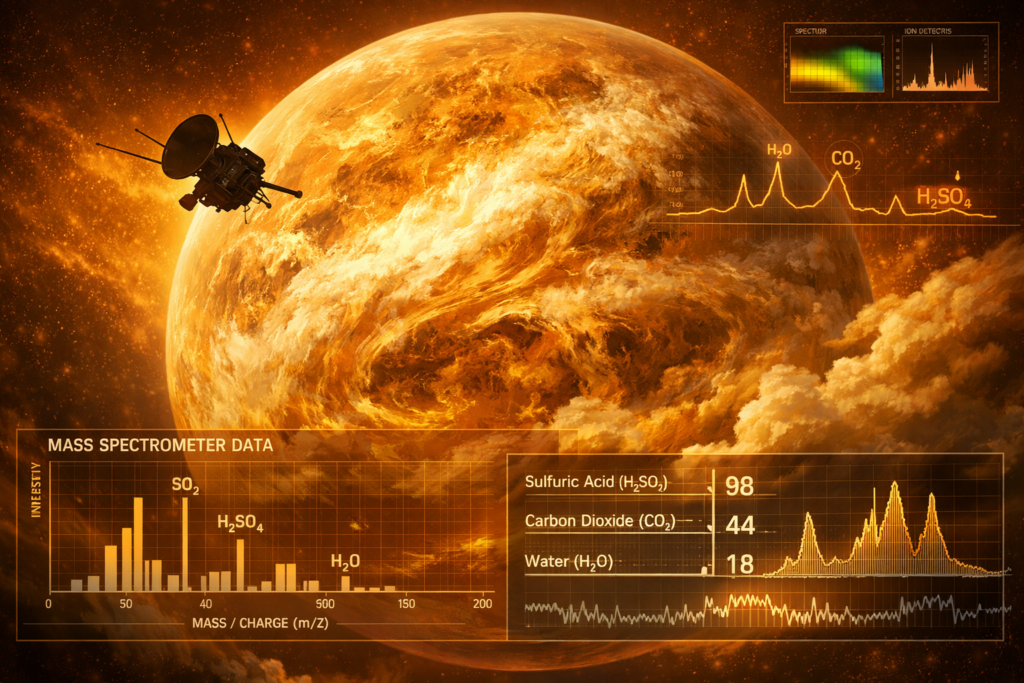
Re-Assessing Venus’ Atmospheric Composition using Pioneer Venus Mass Spectra
Principal Investigator: Rakesh Mogul
Funding Agency/Program: NASA Solar System Workings
Project Summary:
This project re-examines data from the Pioneer Venus mission to better understand the composition of Venus’ atmosphere. By applying modern analytical techniques to historic mass spectrometry data, this research aims to provide new insights into the chemical makeup of our sister planet’s thick atmosphere and what it can tell us about Venus’ past and present habitability.
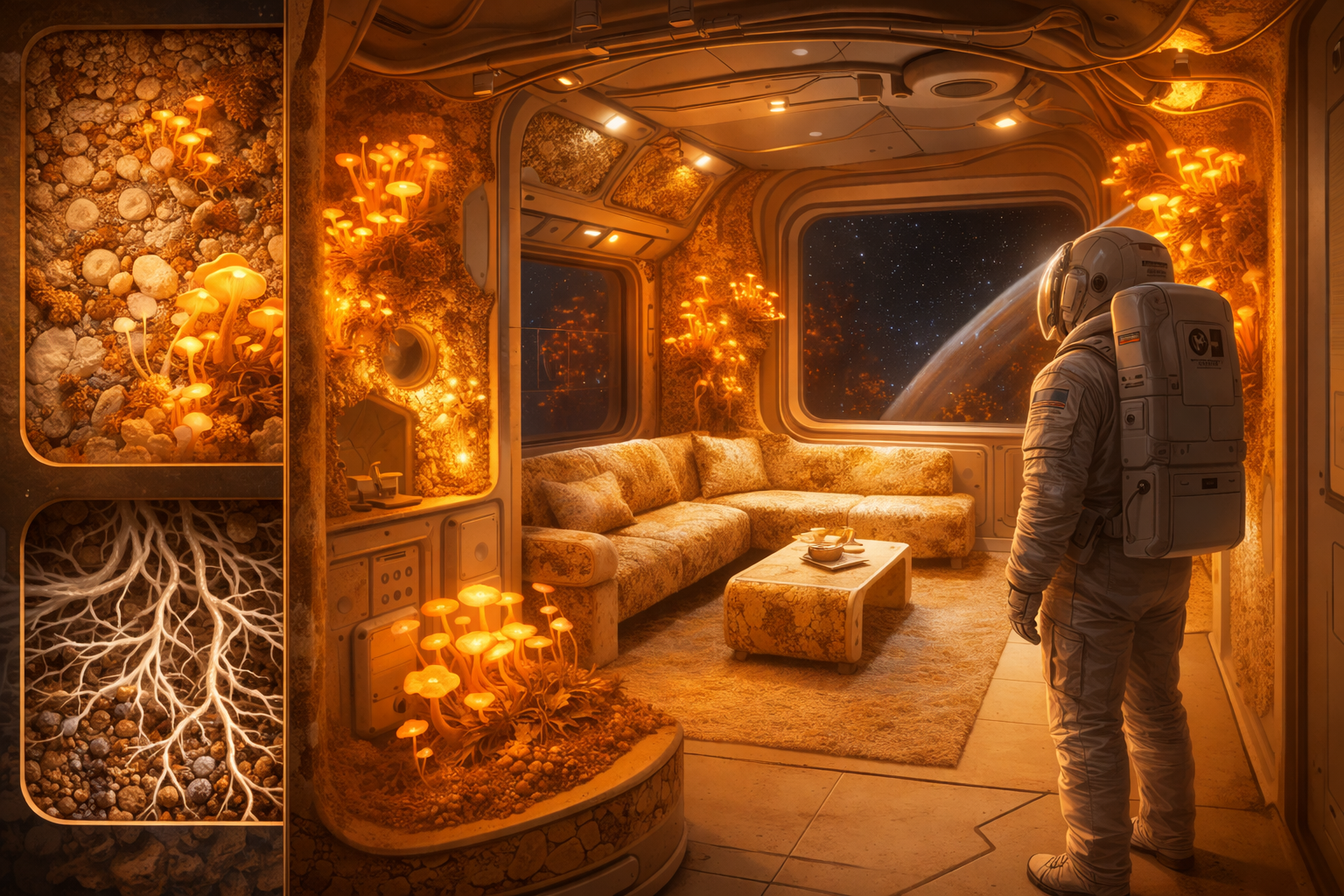
Mycotecture off Planet: En route to the Moon and Mars
Principal Investigators: Rolando Perez and Jessica Snyder
Funding Agency/Program: NASA NIAC
Project Summary:
We believe the employment of myco-architectural elements into the design of spacecraft – especially within volumes where crew spend significant amounts of time – will enable higher crew comfort and productivity, leverage the sustainability and recyclability of materials that are essential for spaceflight, and also bring new knowledge and opportunity for the beneficial use of myco-architectural elements in terrestrial environments. Our goal is to both ‘space-qualify’ myco-architectural elements for spaceflight and to find the optimal niches in the spaceflight environment where they can be deployed. NASA has an interest in the development of myco-architectural elements as part of Starlab, and in coordination with Hilton’s role in designing elements of the crew quarters, sleep stations, dining areas, hygiene compartments, and other frequently occupied areas.
Asynchronous K-dwarf Planets
Principal Investigator: Ana Lobo
Funding Agency/Program: NASA XRP
Project Summary:
This proposal explores the effects of various orbital configurations on the climate of planets orbiting orange stars. The work uses climate models to simulate these planets, helping us understand how different planetary orbits around K-type stars might affect their potential habitability and what conditions could support life on worlds very different from Earth.
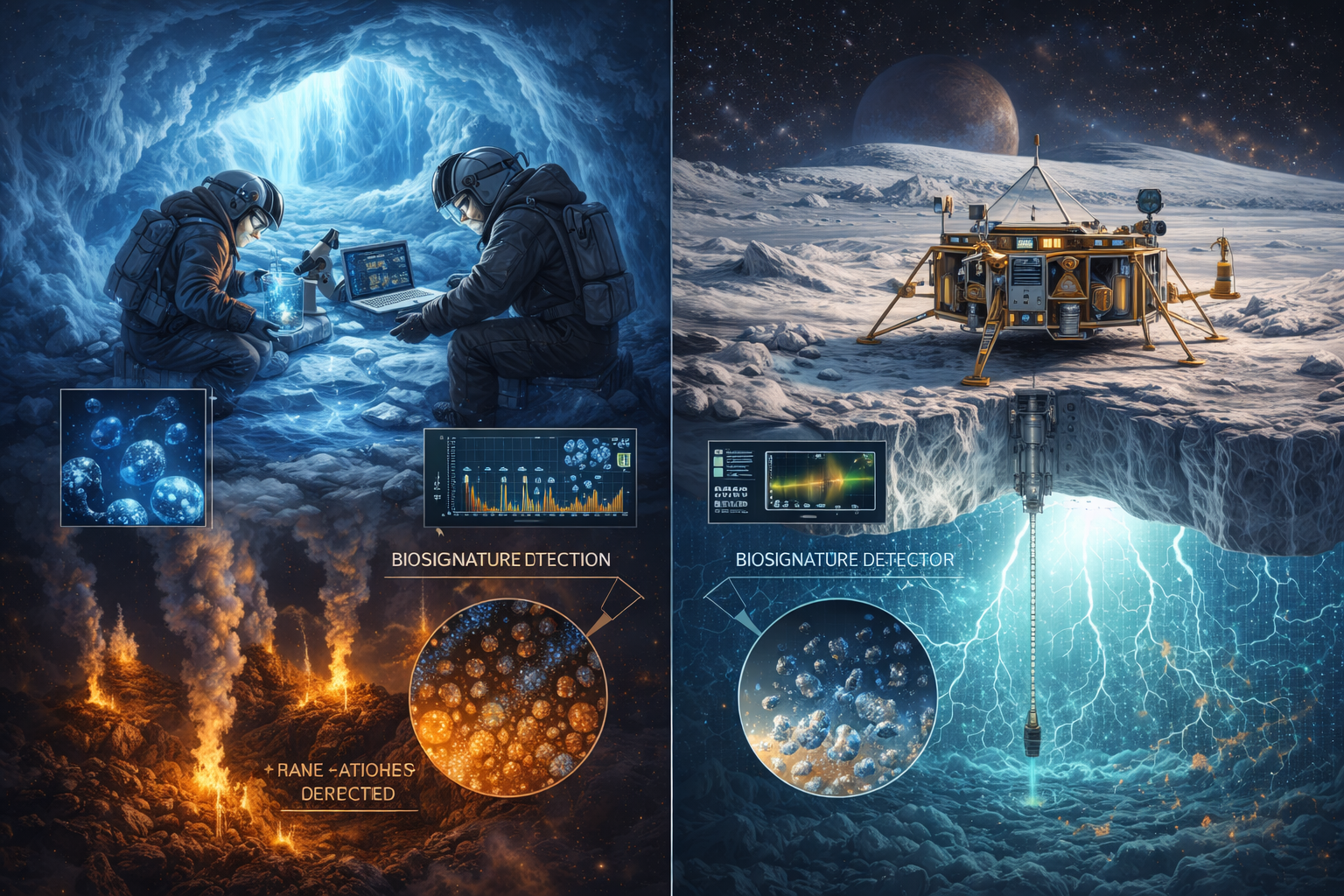
A Vertically Integrated Effort To Support NASA’s Understanding And Exploration Of Habitable Environments And Biosignatures (Center for Life Detection)
Principal Investigators: Mike Kubo
Other BMSIS Investigators: Sanjoy Som, Graham Lau, Jessica Snyder
Funding Agency/Program: NASA Planetary Science Division ISFM
Project Summary:
This award serves to support two primary tasks. Task 1 is science-enabling work called the Life Detection Forum, which will serve as a reference tool for life-detection mission concepts. Task 2 is broadly defined as habitability and detectability, and will help advance life detection missions by measuring and characterizing the habitability and detectability of microorganisms in ocean world analog environments.
Evolutionary Processes That Drove The Emergence Of Cellular Life (EPDEC)
Principal Investigator: Milena Popovic
Other BMSIS Investigators: Tomasz Zajkowski, Andro Rios, Zachary Cohen
Funding Agency/Program: NASA
Project Summary:
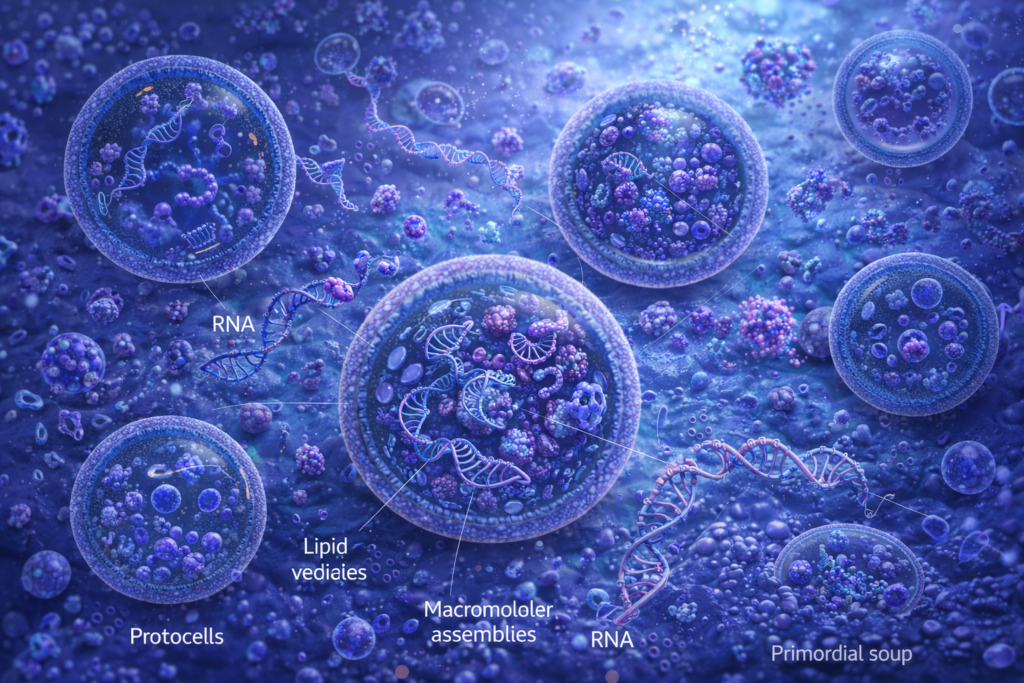
In our project, Evolutionary Processes that Drove the Emergence of Cellular life (EPDEC), we continue our long-term program of research that aims at an integrated approach to investigating the origin and early evolution of life. Specifically, we focus on the key feature of the emergence of life – the integration of multiple systems in the emergence and early proliferation of life. We aim at identifying paths by which simple macromolecular assemblies can enable protocells to carry out a variety of proto-cellular functions. To pursue this aim, we use in vitro evolution to evolve functional new macromolecular assemblies.
Characterization of biosignature preservation in diverse calcium sulfate mineral textures
Principal Investigators: Michael Tuite
Other BMSIS Investigators: Kenneth Williford
Other Institutions Involved: NASA Johnson Space Center
Funding Agency/Program: NASA Exobiology
Project Summary:
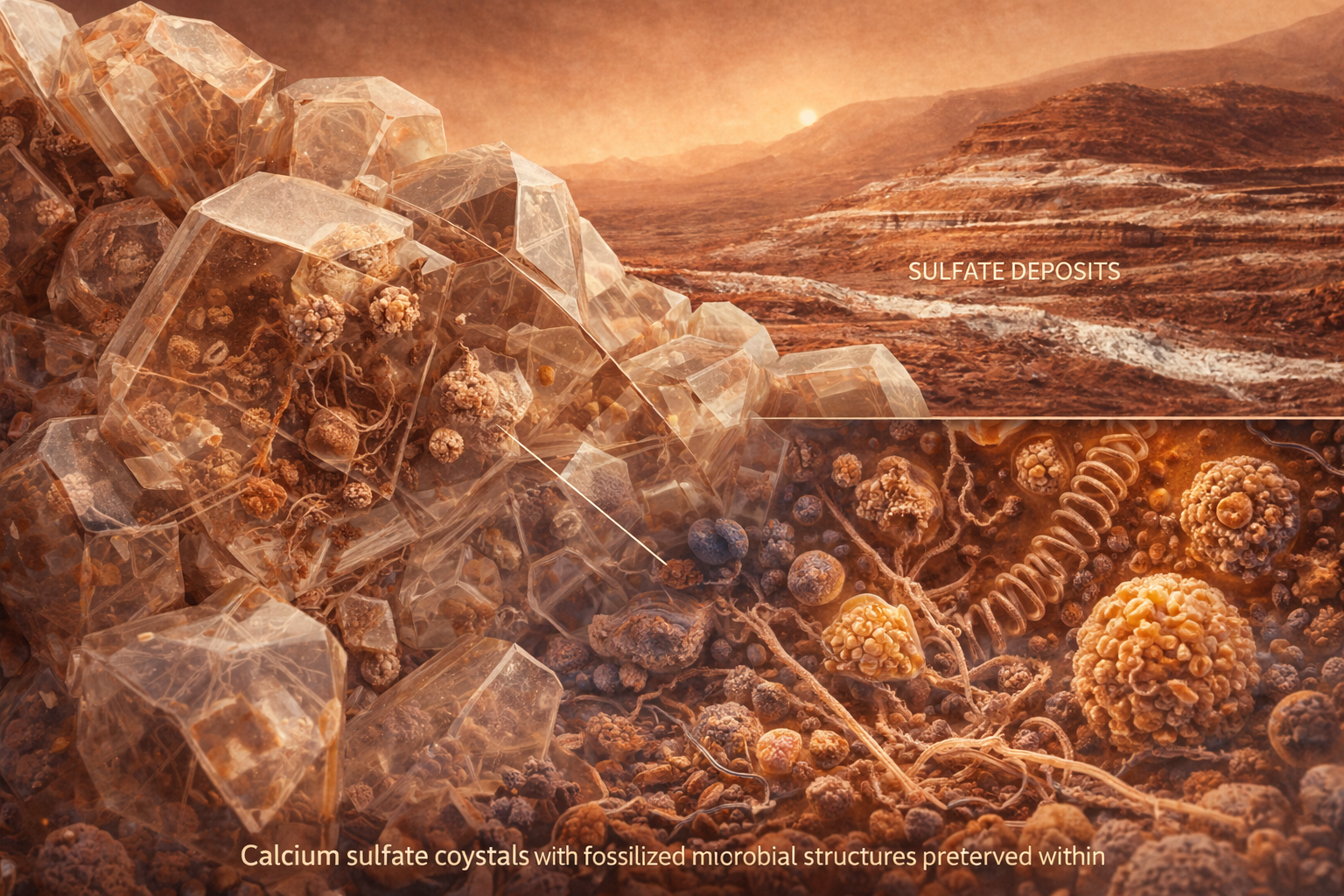
We propose a three-year research program to characterize texture-specific preservation of microbial biosignatures in a variety of common calcium sulfate facies. Formed in evaporative aqueous environments, calcium sulfate minerals are widespread on Earth and Mars and have the potential to preserve evidence of life on geological timescales. Many distinct textural varieties of sulfate minerals exist. Depending on their depositional environment and diagenetic history, each may offer pathways for biosignature preservation. However, these processes remain underexplored due to the high solubility of sulfates and, hence, their relative rarity in the earliest rock record.